
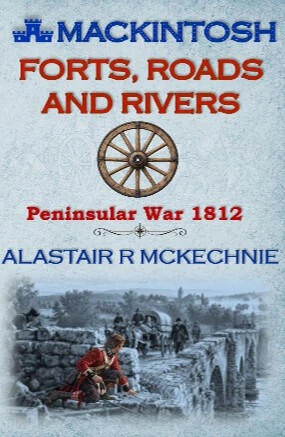
Real history. real and fictional characters.
James Mackintosh provides the fictional viewpoint within a real campaign, serving alongside historical officers and events whose documented roles remain intact. The fiction gives the reader continuity; the history sets the limits.
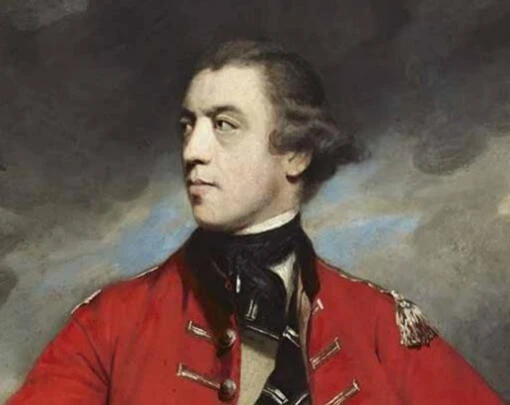
An engineer war of movement
This is engineering beyond fortress walls: roads, wagons, rivers, bridges, tools, labour and timing. Success often means keeping an army moving when mud, scarcity, exhaustion and enemy pressure are working against it.
From salamanca to retreat
James reaches Salamanca as an infantry captain repeatedly borrowed for Engineer work.
At the fortified convents he learns how much labour, material and coordination lie behind a military order. At Burgos, too few trained Engineers, too few tools and too little time turn every task into a choice about what can actually be achieved.
Roads collapse under traffic. Crossings fail. Bridges that carried the army forward must now help sustain retreat before being denied to the French.
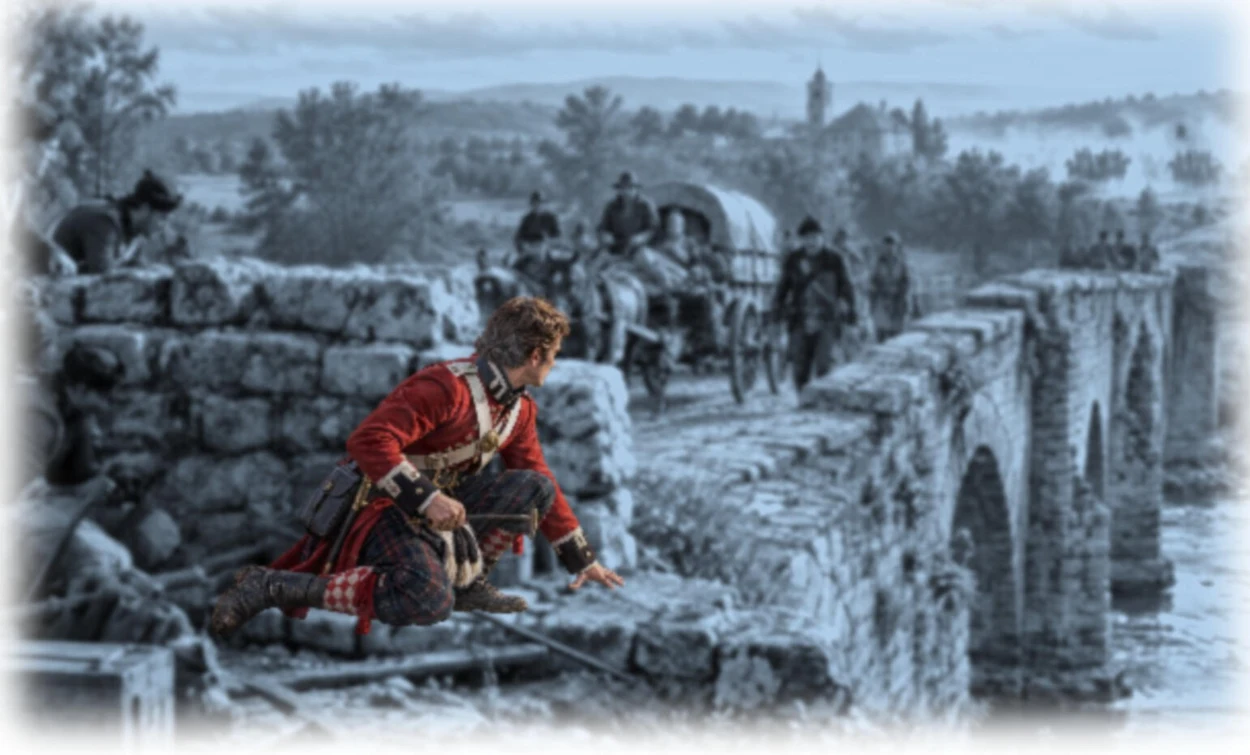
At San Isidro, the charges are ready before the last friendly traffic has crossed.
James must decide when to destroy the bridge — without perfect knowledge of who may still be behind him.

The history is real. the flavour is interpreted.
The Mackintosh series blends real historical figures, real campaigns and documented engineering with fictional protagonists and supporting characters.
The Peninsular War provides the framework. James gives the reader a continuous human viewpoint through it.
The fiction interprets the private moments: conversations, reactions, relationships and the lived experience behind the record.
The engineering remains central because campaigns depend on it — not only forts, but roads, rivers, crossings, transport, labour, demolition and judgement.
The result is history experienced from inside the work that made movement possible.